Clinic 11/3 EAST PATEL NAGAR, NEW DELHI 110008
Clinic 2A 1/19 SAFDARJUNG ENCLAVE, NEW DELHI 110029
Monday to Saturday10:00 AM – 6:00 PM
HomeCategory

Health

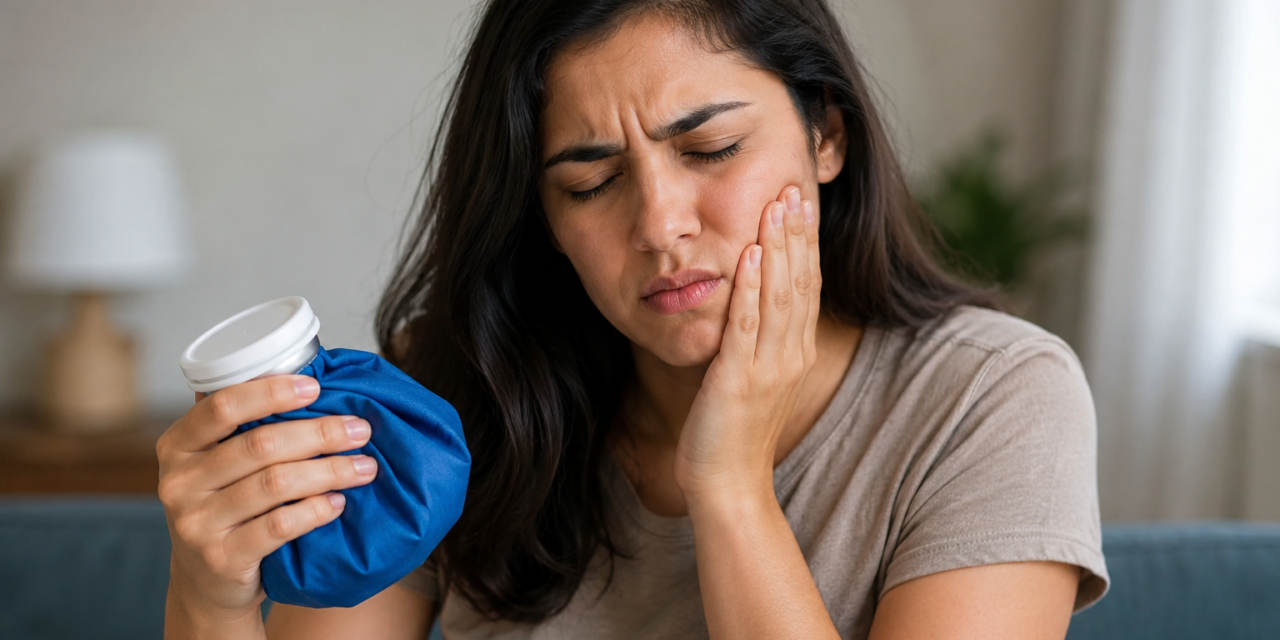
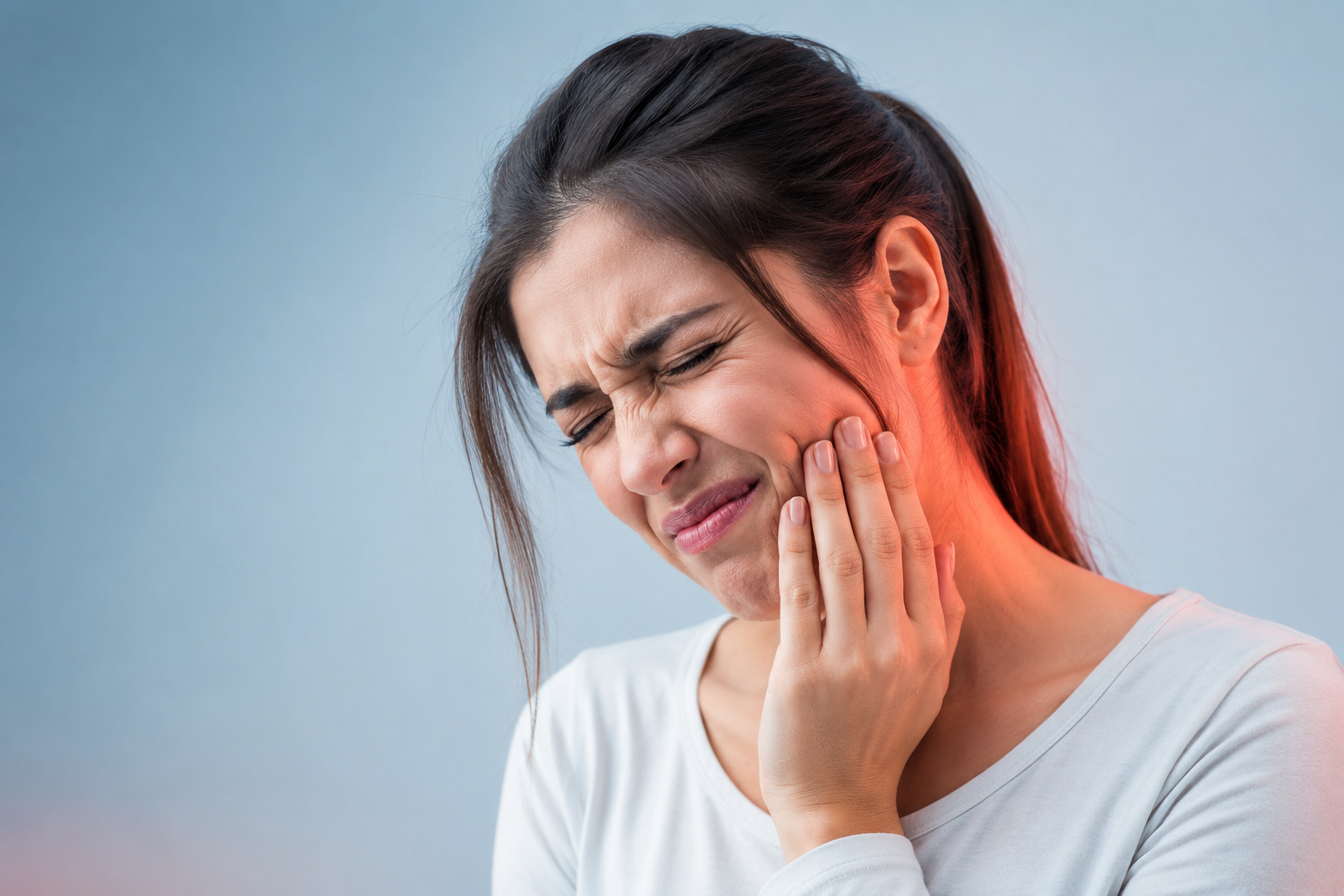
Woman experiencing tooth pain while biting down

Sharp or aching pain when you bite down is one of the most common reasons patients contact Bharti Dental Care. The discomfort usually points to a specific, treatable problem inside or around the tooth rather than something random, and identifying the cause early can prevent a small issue from turning into an emergency.

Common Causes of Pain When Biting Down

  • Cracked tooth or fractured cusp – a hairline crack can flex under pressure and irritate the nerve inside.
  • Deep cavity – decay that has reached close to the nerve often hurts most while chewing.
  • Loose, worn or leaking filling – an old restoration can allow bite force to reach sensitive tooth structure.
  • Gum recession or infection – exposed roots and inflamed gum tissue are sensitive to pressure.
  • Teeth grinding (bruxism) – repeated clenching overloads the tooth and supporting bone.
  • High or uneven bite after recent dental work – a filling or crown sitting slightly too high can concentrate force on one tooth.

Home Care You Can Try Right Away

  • Avoid chewing directly on the painful side until it is examined.
  • Take an over the counter pain reliever as directed on the label.
  • Rinse gently with warm salt water two to three times a day.
  • Avoid very hot, cold or sugary food and drinks that can trigger sharp pain.
  • If a filling has fallen out, temporary dental cement from a pharmacy can protect the tooth for a day or two.

When to See a Dentist

Home care can ease symptoms temporarily, but it will not fix the underlying cause. Book an appointment promptly if you notice any of the following:

  • Pain that lasts longer than two days or is getting worse
  • Visible swelling of the face or gums
  • Fever or a bad taste that suggests infection
  • A tooth that feels loose or visibly cracked

Depending on what our dentists find, treatment may range from a simple filling adjustment to Root Canal Treatment if the nerve inside the tooth has been affected. Prompt treatment gives the tooth the best chance of being saved.

Frequently Asked Questions

Is it normal for a tooth to hurt only when I bite down?
Pain that appears specifically on biting, rather than all the time, is a classic sign of a crack, a high filling, or decay close to the nerve. It is not something to ignore, even if the pain fades between bites.

Can a cracked tooth heal on its own?
No. Cracks in tooth enamel do not repair themselves and can slowly worsen with continued chewing pressure. A dentist can assess the crack and recommend a filling, crown or root canal depending on its depth.

Should I go to a dentist immediately or wait a few days?
Mild discomfort can be monitored for a day or two with home care, but you should book an appointment sooner if there is swelling, fever or increasing pain, as these suggest infection that needs prompt treatment.

Still concerned about your tooth pain? Our dentists can identify the exact cause and recommend the right treatment for lasting relief.

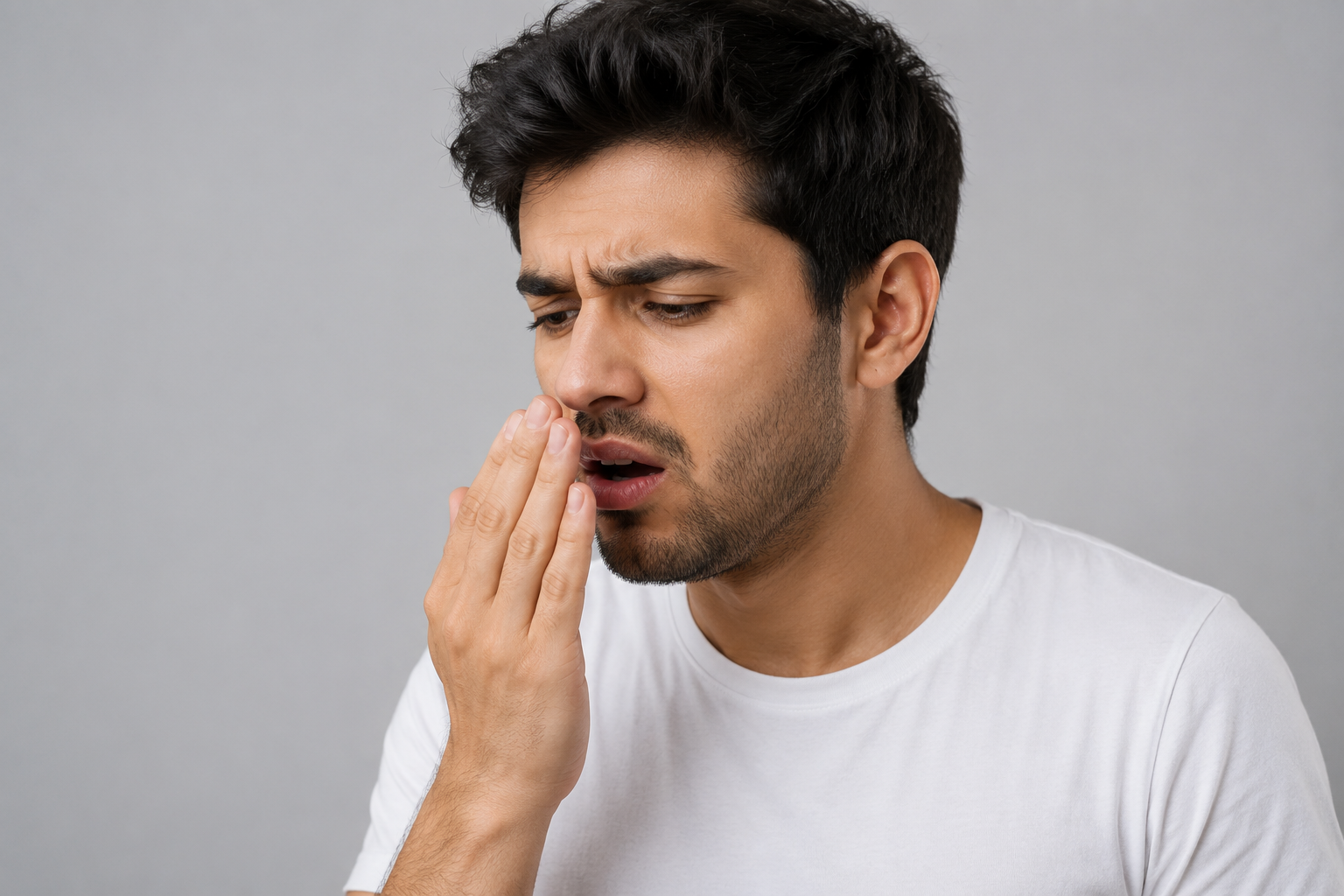
Man checking his breath due to bad breath concerns

Persistent bad breath, or halitosis, is one of the most common concerns patients raise with our team at Bharti Dental Care. In most cases it comes from something straightforward, such as plaque buildup or diet, and responds well to a few simple changes. Occasionally it signals an underlying dental or medical issue that needs professional attention.

Common Causes of Bad Breath

  • Plaque and bacteria buildup – odor-causing bacteria collect on the teeth, gums and tongue, especially when brushing and flossing are inconsistent.
  • Dry mouth – saliva helps clean the mouth naturally, so reduced saliva flow (from breathing through the mouth, certain medications, or sleeping with the mouth open) allows odor to build up.
  • Food and drink – garlic, onions, coffee and other strong-smelling foods release odor compounds that linger until the body fully processes them.
  • Tobacco use – smoking and other tobacco products leave a lasting odor and also increase the risk of gum disease.
  • Gum disease – ongoing bad breath is often an early sign of gingivitis or more advanced periodontal disease.
  • Underlying medical conditions – sinus infections, acid reflux and other conditions can occasionally be the source of persistent odor.

Home Care You Can Try Right Away

  • Brush twice a day and floss daily, making sure to also gently clean the surface of the tongue.
  • Stay well hydrated throughout the day to keep saliva flow normal.
  • Chew sugar-free gum or mints to stimulate saliva between brushings.
  • Cut back on strong-smelling foods, and avoid tobacco products.
  • Replace your toothbrush every three to four months, or sooner if the bristles are worn.

When to See a Dentist

If bad breath continues despite good home care, or is accompanied by bleeding, swollen or tender gums, it is worth having it checked rather than just masking it with mints. Our team can look for signs of gum disease during a General Dentistry check-up, and if periodontal treatment is needed we may recommend further care such as Periodontal Procedures to address the underlying cause.

Frequently Asked Questions

Can mouthwash alone fix bad breath?
Mouthwash can mask odor temporarily, but it will not resolve an underlying cause such as plaque buildup or gum disease. It works best alongside regular brushing and flossing, not as a replacement for them.

Is bad breath always caused by poor oral hygiene?
No. While oral hygiene is the most common cause, persistent bad breath can also come from dry mouth, certain foods, tobacco use, or an underlying medical condition, so it is worth a check-up if it does not improve.

How long does it take for better habits to improve bad breath?
Many people notice an improvement within a few days of consistent brushing, flossing and tongue cleaning. If odor persists beyond one to two weeks despite good habits, a dental check-up is recommended.

Can children get bad breath too?
Yes, children can experience bad breath from the same causes as adults, including plaque buildup and dry mouth. It is worth mentioning to your dentist at their regular check-up if it becomes persistent.

Still concerned about your breath? Our dentists can check for underlying causes and recommend the right treatment.

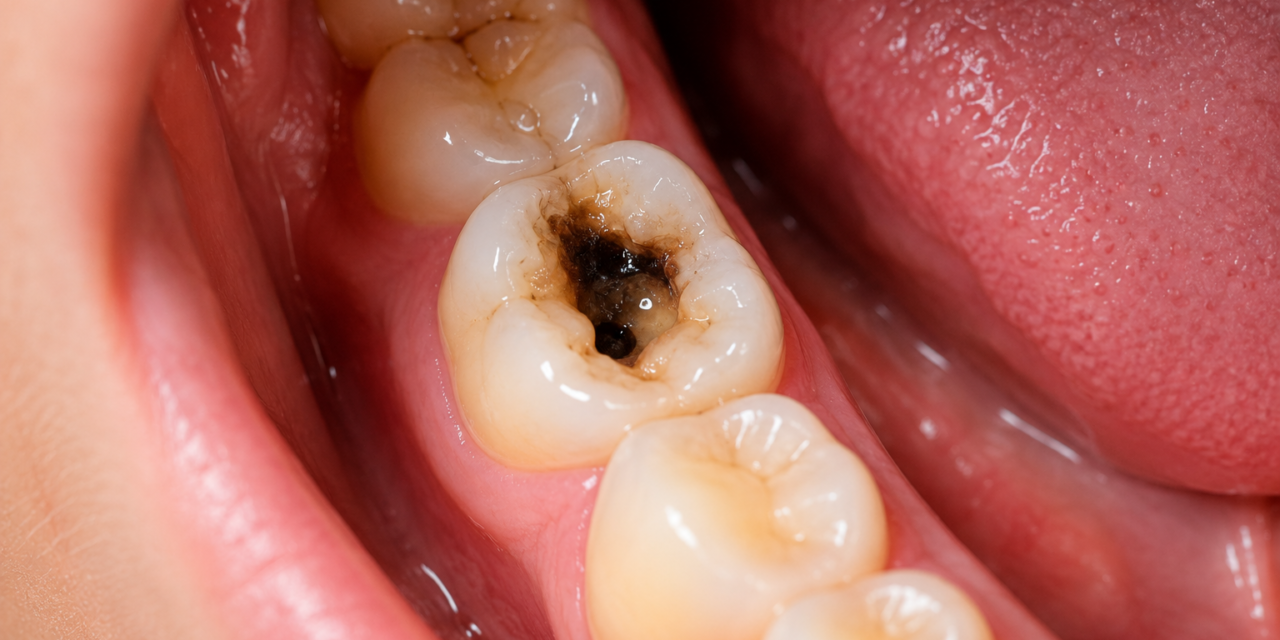
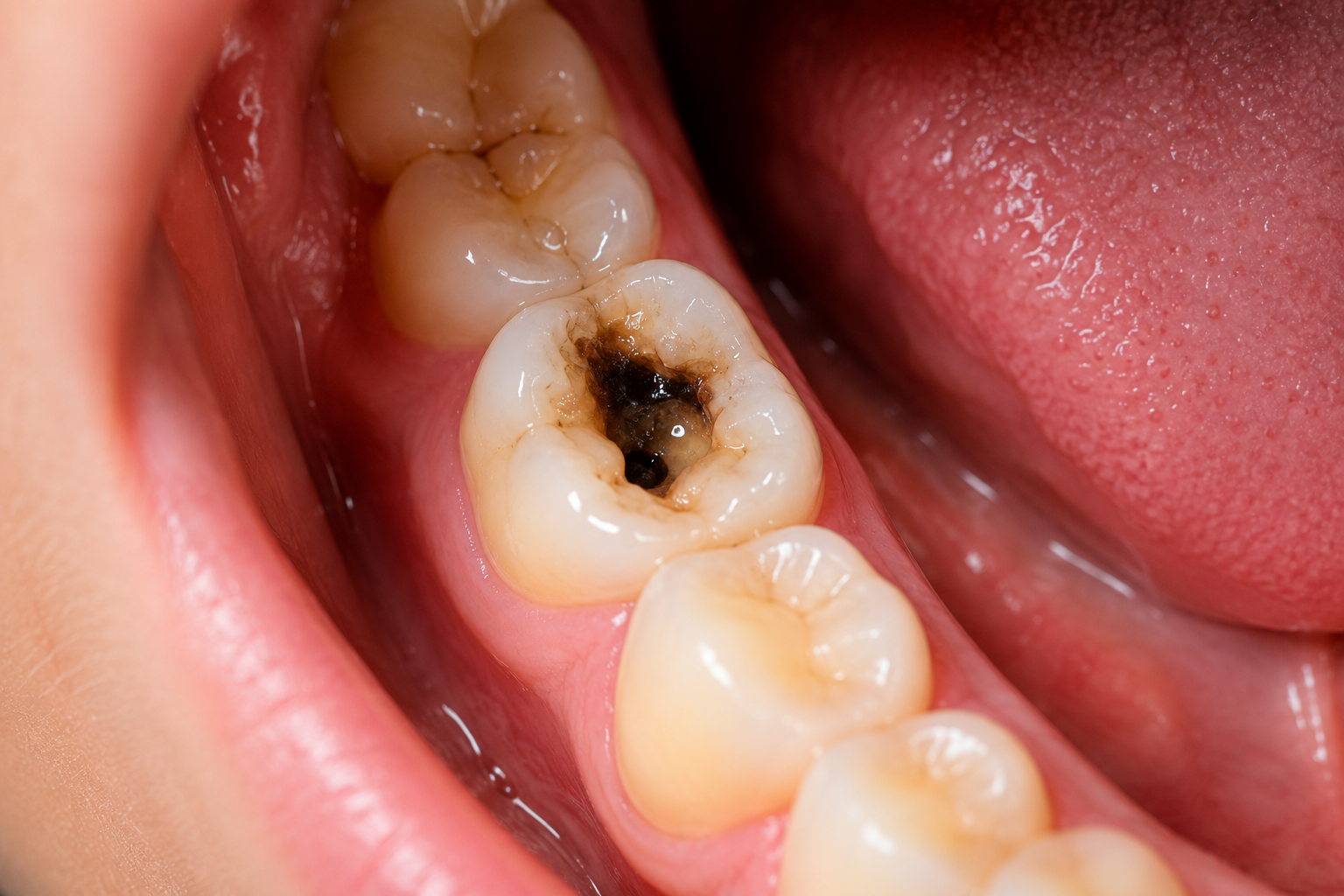
Close-up of a tooth with a dark cavity showing decay

Cavities, also called tooth decay, are among the most common dental problems we see at Bharti Dental Care. They develop gradually as acids produced by plaque bacteria wear away at the tooth’s enamel, and catching them early usually means a simpler, more comfortable treatment.

Common Causes of Cavities and Tooth Decay

  • Plaque buildup – a sticky film of bacteria constantly forms on the teeth and produces acid after you eat or drink, which gradually wears away enamel.
  • Frequent sugary or starchy food and drink – sugar and refined carbohydrates feed the bacteria that cause decay, especially with frequent snacking.
  • Inconsistent brushing and flossing – missed spots allow plaque to harden and keep producing acid against the tooth surface.
  • Dry mouth – saliva helps neutralize acid and wash away food particles, so reduced saliva flow increases decay risk.
  • Worn or weakened enamel – older fillings, enamel erosion or naturally thinner enamel can make teeth more vulnerable.

How to Help Prevent Cavities

  • Brush twice daily with a fluoride toothpaste and floss once a day to remove plaque between teeth.
  • Limit frequent sugary snacks and drinks, and avoid sipping on sugary beverages throughout the day.
  • Ask your dentist about professional fluoride treatments or sealants if you are at higher risk of decay.
  • Stay hydrated and chew sugar-free gum to help maintain healthy saliva flow.
  • Keep up with regular dental check-ups and cleanings so early decay can be caught before it spreads.

When to See a Dentist

A dull ache, sharp pain when eating something sweet, cold or hot, or a visible dark spot or hole in a tooth are all signs it is time for a check-up. Left untreated, decay can progress deeper into the tooth. Our team can assess the extent of the damage during a General Dentistry visit, and if decay has reached the inner nerve of the tooth, Root Canal Treatment may be recommended to save the tooth.

Frequently Asked Questions

Can a cavity heal on its own?
No. Once the enamel has broken down, the tooth cannot repair itself and the cavity will not go away without treatment. Good oral hygiene can help stop it from progressing further, but a dentist needs to treat the decay that’s already there.

Does a cavity always hurt?
Not necessarily. Early-stage cavities often cause no pain at all, which is why regular check-ups are important. Pain usually develops as the decay gets closer to the nerve inside the tooth.

Is sugar the only cause of cavities?
Sugar is a major contributor, but decay also depends on how often you eat, how well you clean your teeth, saliva flow and the strength of your enamel. Two people with similar diets can have very different cavity risk.

What happens if a cavity is left untreated?
Untreated decay can spread deeper into the tooth, potentially reaching the nerve and causing an infection or abscess. Treating a cavity early is usually simpler and more comfortable than waiting until it becomes painful.

Think you might have a cavity? Our dentists can assess your teeth and recommend the right treatment early.

The soft palate is the muscular part at the back of the roof of the mouth. It sits behind the hard palate, which is the bony part of the roof of the mouth. The palates play important roles in swallowing, breathing, and speech.

https://www.bhartidental.in/wp-content/uploads/2024/02/logo.png

We’re a friendly team of dentists working together to ensure that you receive the best treatment that you require.

Clinic Timing

Clinic 1: Mon to Sat – 10am to 6pm

Clinic 2: Mon to Sat – 10am to 7:30pm

Sunday Closed

Contact

WhatsApp: +91 9686180627

Clinic 1: 011-41519882

Clinic 2: 011-4182-7819

Get on Call